From organised dating nights to walking groups, classes and volunteering, find realistic ways to meet people locally and build connections over time.
It is Friday afternoon. You would like to go somewhere sociable that evening, but the event listings give you a choice between a nightclub aimed at students, a craft class that finished booking on Tuesday and a mixer in Portsmouth when you live in Southampton. The distance looks modest on a map. The journey home may say otherwise.
That is the central challenge of meeting people around the Solent. There is plenty happening, but it is spread between Southampton, Eastleigh, Fareham, Gosport, Portsmouth, the New Forest and the Isle of Wight. Shift patterns at the port, hospital and universities complicate matters further. A useful social plan must account for time, transport and the sort of interaction you actually enjoy.
Where can you meet single people across the Solent?
You can meet single people through organised dating events, recurring clubs, adult classes, outdoor groups, volunteering, cultural events and local online introductions that lead to sensible face-to-face plans.
Some routes are explicitly for dating. Most are not. That distinction matters. A speed-dating evening gives everyone permission to ask whether somebody is available, while a conservation day or photography class lets familiarity develop without making romantic interest the price of admission.
Neither approach is automatically better. Organised Solent singles events offer clarity and efficiency, but one evening can feel artificial. Recurring social activities Solent residents attend every week provide context: you see whether someone turns up, listens, helps and gets on with other people. The catch is that not everyone there will be single.
The most reliable social life is not built around one dramatic night. It is built around places you would willingly return to even if you met nobody to date.
Should you choose a singles event or an ordinary social activity?
Choose a singles event when you want clear romantic intent, and choose a recurring activity when you want lower pressure and enough time to get to know people naturally.
Think of the difference as an interview compared with working alongside someone. A mixer is direct. A shared activity reveals more, but slowly. Many people do best with one of each: perhaps a monthly dating event and a weekly class, club or volunteering shift.
| Format | How people interact | Typical commitment | Best suited to |
|---|---|---|---|
| Speed dating or mixer | Short, direct conversations | One booked session | People who value clear intentions |
| Club or class | Conversation around a shared task | Weekly or in a short course | People who prefer familiarity |
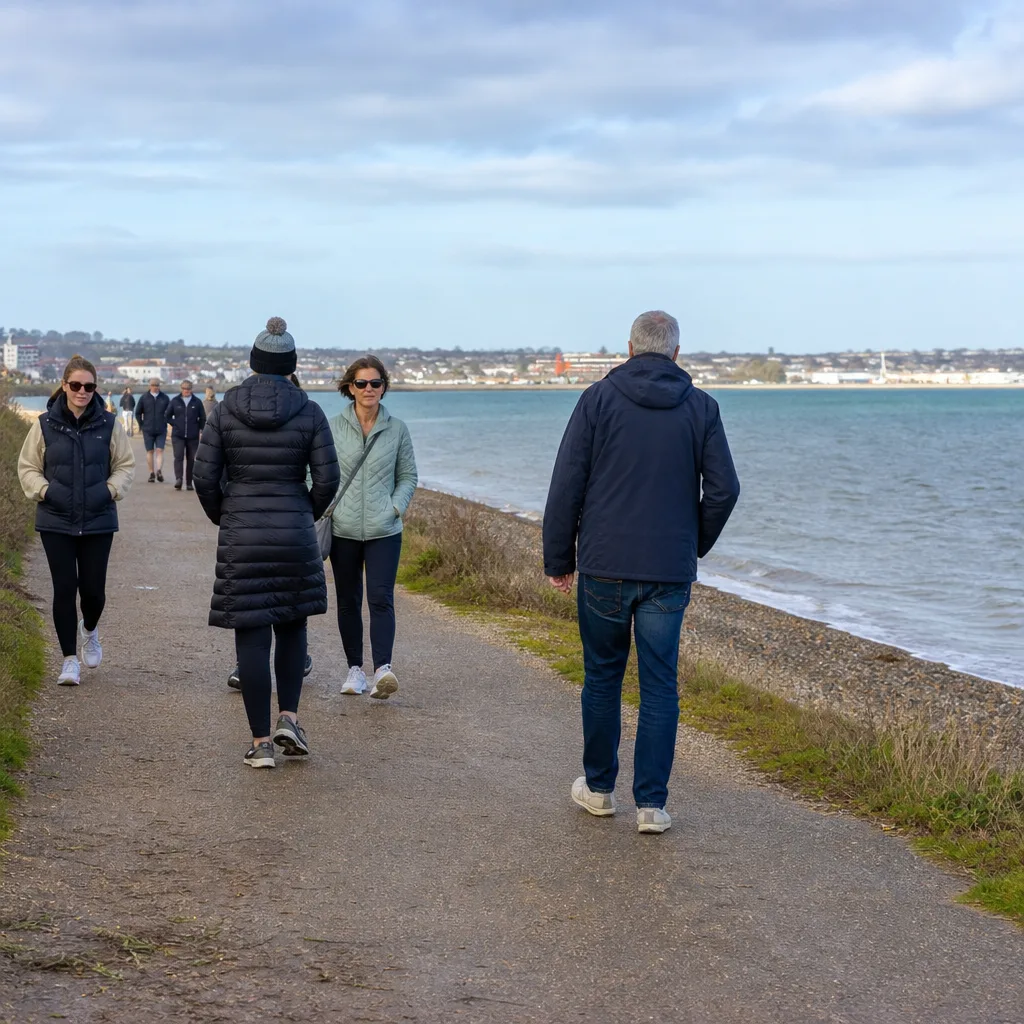
| Walking or outdoor group | Side-by-side conversation | Single outings or regular walks | People who dislike formal networking |
| Volunteering | Teamwork with a practical purpose | One-off or recurring shifts | People who want community as well as company |
| Festival or public event | Informal and spontaneous | A few hours or a day | Confident starters and existing groups |
Your choice also depends on energy. If your job involves constant conversation, a loud mixer after work may be exhausting. A Saturday morning walk could suit you better. If your working week is solitary, a structured evening with plenty of introductions may feel easier than entering a large public event alone.
Organised Events, Clubs and Classes
Organised events are the obvious starting point, but the label covers very different evenings. A six-person dinner, a busy bar mixer and timed speed dating should not be treated as interchangeable. Read the format before you pay.
What happens at Southampton singles events?
Southampton singles events usually use short introductions, informal mingling or a shared activity to make conversation easier, with matching or contact exchange handled during or after the event.
At classic speed dating, attendees have several brief conversations and privately record whom they would like to speak to again. A mixer is looser: there may be name labels, an icebreaker or a host making introductions, but guests largely manage their own time. Activity-led events use a quiz, tasting, walk, meal or game so there is something to discuss besides work and relationship history.
Before booking, look for a clear venue, date, start and finish time, refund policy, age range if there is one, and a real way to contact the organiser. Check whether the ticket includes food or drinks, whether matching is mutual and how your details will be handled. A vague promise of “local professionals” tells you very little.
- Age bands. Treat them as practical grouping, not a judgement about whom you are allowed to like. Check whether the stated ages are firm or approximate.
- Numbers and balance. Attendance changes through cancellations and no-shows. Be wary of any organiser claiming an exact balance as though it can never shift.
- Venue layout. A central bar may be convenient, but acoustics matter. If you use hearing aids or find loud rooms difficult, ask about seating and noise.
- Contact exchange. Mutual matching is often more comfortable than giving your telephone number out on the spot.
- Cancellation terms. Read them before travelling, particularly for ticketed dinners or events dependent on minimum attendance.
A local dating profile can complement events rather than compete with them. If your aim is to meet people through dating in Southampton, chatting first may reveal whether your schedules and neighbourhoods make a meeting realistic. That matters in a city where one person may finish a hospital shift as another begins work at the docks.
Which clubs and classes are good for meeting people?
The best clubs and classes for meeting people are recurring, collaborative and sociable before or after the main activity.
Choose repetition over novelty. A one-off lecture may be interesting, yet everybody leaves as strangers. A six-week language course, community choir or beginner dance class gives names and conversations time to stick.
Southampton offers useful cultural anchors, including Southampton City Art Gallery, SeaCity Museum, John Hansard Gallery and MAST Mayflower Studios. Their programmes can include talks, workshops and performances, although dates and booking arrangements change. The Point in Eastleigh is another established venue for arts activity. Check each venue's current programme rather than relying on an old social post.
- Partner dance. Salsa, swing, ballroom and other social styles rotate partners in many beginner sessions. Confirm the class format and whether solo bookings are welcome.
- Choirs and music groups. Rehearsals create regular contact without requiring constant small talk. Some audition; many community groups do not.
- Creative courses. Pottery, drawing, photography and writing courses attract mixed ages and give people an immediate subject to discuss.
- Cookery and tasting sessions. Shared tables can be sociable, but check whether the event is hands-on or mainly a demonstration.
- Board games and quizzes. These work well when organisers place solo arrivals into teams. A closed table of established friends is harder to join.
- Fitness groups. Running, climbing, rowing and group training create regular contact, provided the level suits you and there is time to talk.
Do not choose solely by the imagined dating potential. It shows. Join something you can discuss with genuine interest, then give it several visits. Established groups often seem closed on week one simply because members already know the routine. By week four, you are part of that routine too.
Practical tip: Ask the organiser one specific question before attending alone: “Do people usually stay for a drink or coffee afterwards?” The answer tells you more about the group's social character than a page full of cheerful photographs.